Base shopkeepers
Two retired vendors versus two current base identities


The Manbacon and travelling Yordle appeared on both Blue and Purple bases in the old Rift. Modern Summoner’s Rift instead gives each side its own merchant scene.

 LoL Classic Guide
League of Legends Season 3 was the 2013 era of old items, rune pages, mastery trees and an earlier Summoner's Rift. Riot now confirms it as LoL Classic's anchor—not an exact frozen ruleset.
Season 3 context helps explain why players ask about old rune pages, mastery trees, removed items and older Summoner's Rift. It is different from League's current 2026 season.
Riot calls Classic a greatest-hits collection. It starts from Season 3, then mixes in 60 champions, every Summoner Spell and almost every item from League's first few years.
The biggest gap is not a single rework. It is the accumulated difference in roster size, item design, pre-game systems and objectives.
Count source: Riot Data Dragon patch 3.13.1 and patch 16.13.1. Item data is a catalog comparison, not a balance claim.
Riot has published the official League of Legends Classic logo and clean client previews. The two boards below remain useful community snapshots of reported champions and legacy items.
The logo and 60-champion roster size are official. The champion and item boards are still community references, not Riot's exact launch lists.

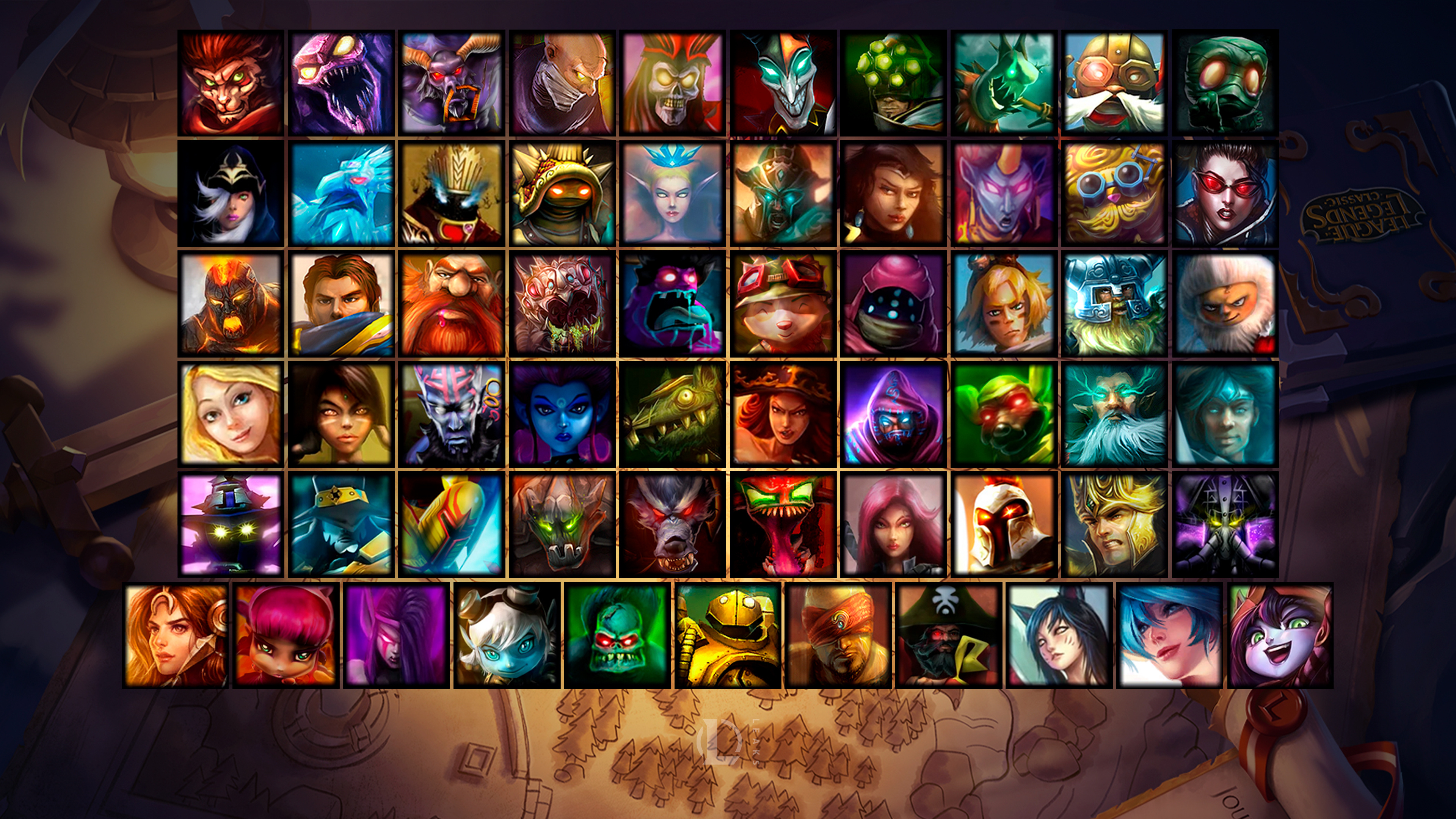
The board shows older champion identities associated with reported Classic builds. Riot confirms 60 launch champions—the original 40 plus 20 picks from 2009-2013—but has not listed every name here.
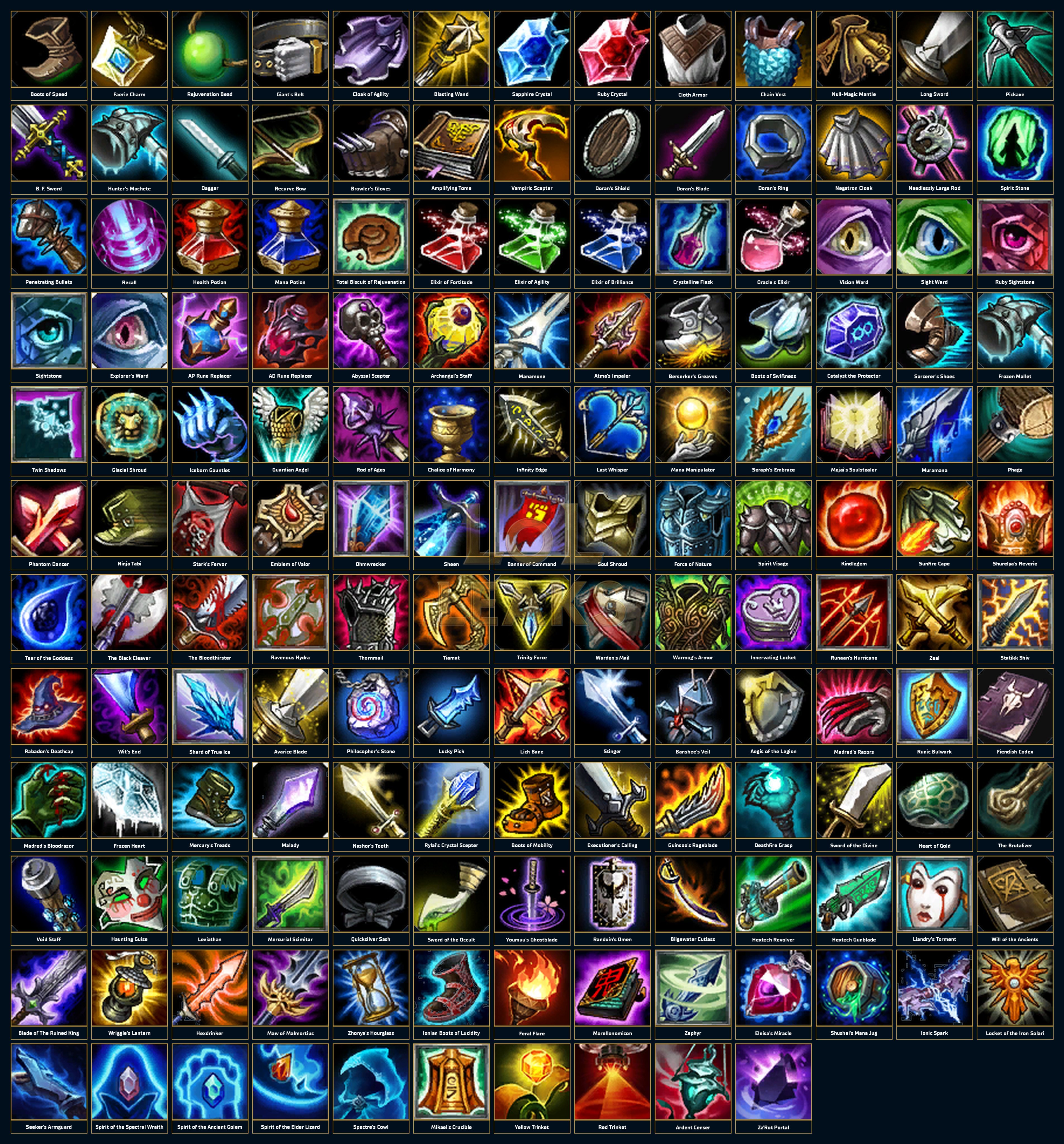
Removed names such as Deathfire Grasp, Heart of Gold and Wriggle’s Lantern sit alongside the old components, consumables and completed items players remember.
Official logo: Riot Games. Champion and item board credit: League of Legends Leaks & News / @LeagueOfLeaks. Independent coverage notes that no complete final roster is confirmed: Mobalytics’ LoL Classic report.
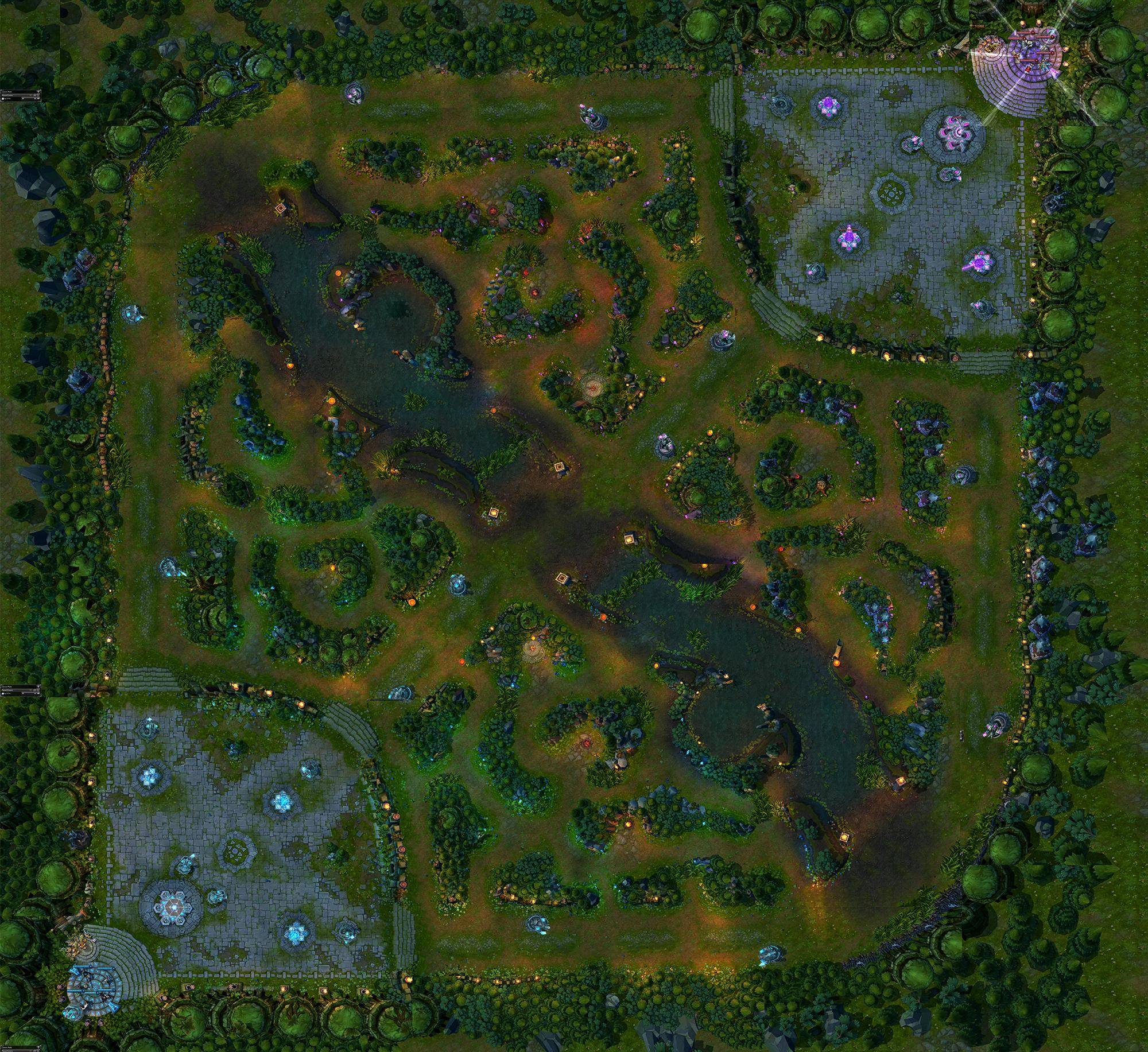 Season 3 · Summoner's Rift
Season 3's Rift had the core three-lane shape players recognise, but a leaner jungle, fixed Dragon rewards and none of the elemental terrain or modern objective layers that now reshape a match.
See the full map comparisonThis is a small visual change with a surprisingly strong nostalgic signal: classic Summoner’s Rift used the same merchant on both bases, while the live map gives Blue and Red side their own distinct shopkeeper.
Two retired vendors versus two current base identities
The Manbacon and travelling Yordle appeared on both Blue and Purple bases in the old Rift. Modern Summoner’s Rift instead gives each side its own merchant scene.
Image and shopkeeper history reference: League of Legends Wiki — Summoner’s Rift.
No more abstract placeholders: this is the real visual language players saw. Season 3’s HUD was ornate and dense; the modern shop puts recommended items, filters and the build path into a much clearer workspace.

The old lower HUD used heavy stone-and-metal framing, with the ability bar and its rank markers as the visual center.
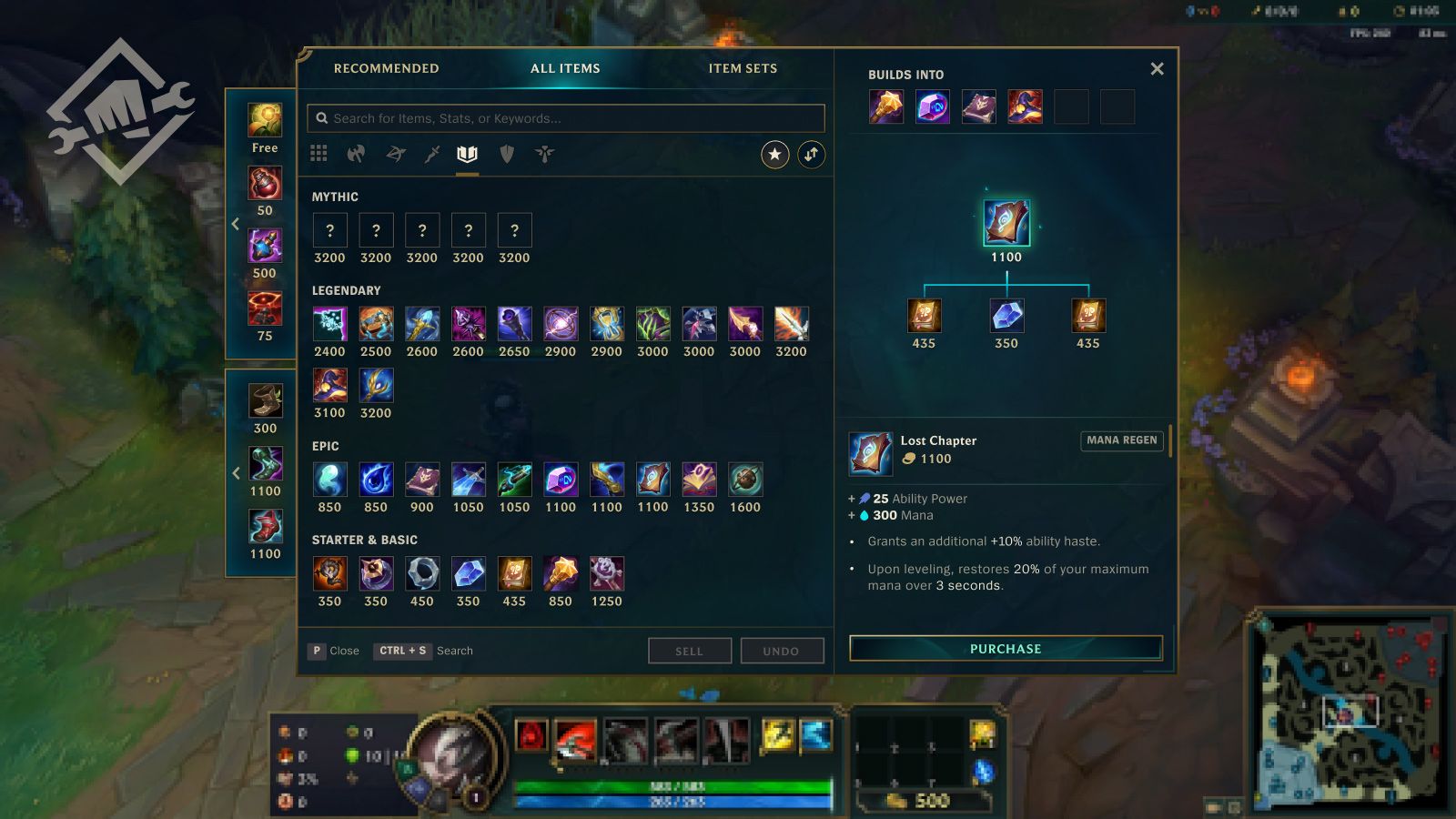
The modern shop organizes item choices into tabs and categories, then makes the selected item’s component tree visible in the same view.
Season 3 HUD image: PBE Season 3 UI preview. Modern shop image: Riot’s item shop update.
These are not just old names. Their removal changed the kind of economy, burst windows and utility a player could buy.
Season 3A high-AP active built around target burst and damage amplification.
Live eraRemoved from live League.
A clean example of the old active-item burst patterns many players remember.
Season 3Health, armor and passive gold income in one early tank item.
Live eraRemoved from live League.
It represents the old gold-per-10 economy that shaped support and tank builds.
Season 3Sustain, jungle clear and a free ward on a single item.
Live eraRemoved; its jobs are now separated across systems.
Modern jungle pets, trinkets and itemization divide the utility that Wriggle's once bundled together.
Season 3Health and mana regeneration plus passive gold income.
Live eraRemoved from live League.
Its disappearance helps explain why old support item paths feel so different from today.
Champion count is only the headline. Reworks mean that even a familiar name can create a completely different decision tree.



Season 3A point-and-click stun, an Enrage toggle and a lifesteal ultimate made him a direct, stat-heavy brawler.
Live eraA charged smash, shield, displacement and unstoppable charge turn him into a telegraphed frontline initiator.
Same name; a completely different fight pattern.



Season 3A conventional bot-lane marksman with Buckshot, Smoke Screen, Quickdraw and Collateral Damage.
Live eraTwo-shell shotgun attacks, reload timing and terrain-bouncing shots define a skirmisher most often seen in the jungle.
One of the clearest examples of a champion changing lanes and identity.



Season 3An area Starcall, armor-granting heal and targeted mana restore/silence rewarded a different lane rhythm.
Live eraA skillshot Starcall, health-costing ally heal and area silence/root make positioning and self-preservation central.
The familiar global heal remains, but the lane trade pattern is fundamentally newer.
Ability comparison is a high-level gameplay summary. It is meant to show the identity shift, not reproduce historical tooltip values.
No. League of Legends Season 3 refers to the 2013 era of League. The 2026 season is the current League calendar around MSI and the LoL Classic reveal.
Season 3 is the official anchor, but Riot describes Classic as a greatest-hits collection across early League rather than one exact historical patch. It launches with 60 champions and almost every item from the first few years.